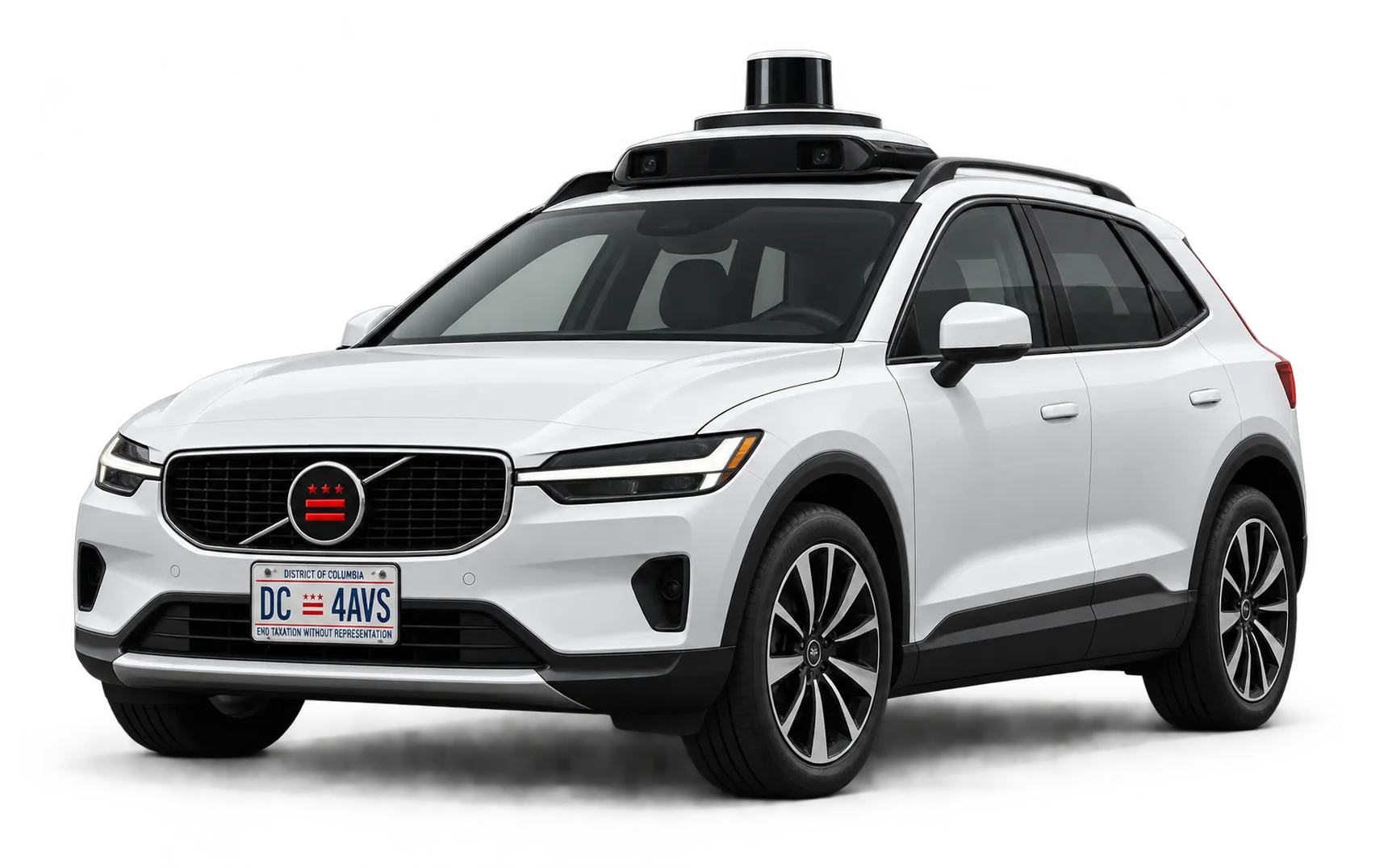




The District isn't done with driverless cars, and neither are we.
On November 12, the Committee on Transportation and the Environment split 3‑3 on the Autonomous Vehicle Deployment Authorization Amendment Act.
That's a setback, but it isn't a no to AVs. Every member who voted made clear that the question is when and how, not if, driverless cars come to DC. Testing with a safety driver has been allowed here since 2013. After two and a half years of hearings, revisions and public debate, 2027 is the year we make driverless cars a reality for DC.
Thank you to every councilmember who took this on.
To Mayor-elect Janeese Lewis George, Councilmember Zachary Parker and Councilmember Elissa Silverman:
Thank you for being clear that your vote was about timing, not a rejection of AVs. We're grateful, and we're ready to help Mayor-elect Lewis George follow through on making this legislation a priority once she takes office. Residents in every ward are counting on a framework that works for drivers, riders and pedestrians alike.
To Councilmember Charles Allen, Councilmember Christina Henderson and Chairman Phil Mendelson:
Thank you for advocating for safer streets and AVs in DC. Your work writing rules around worker protections, safety, wheelchair access and equity across all eight wards is a strong starting point for 2027.
The reasons haven't changed.
Safety
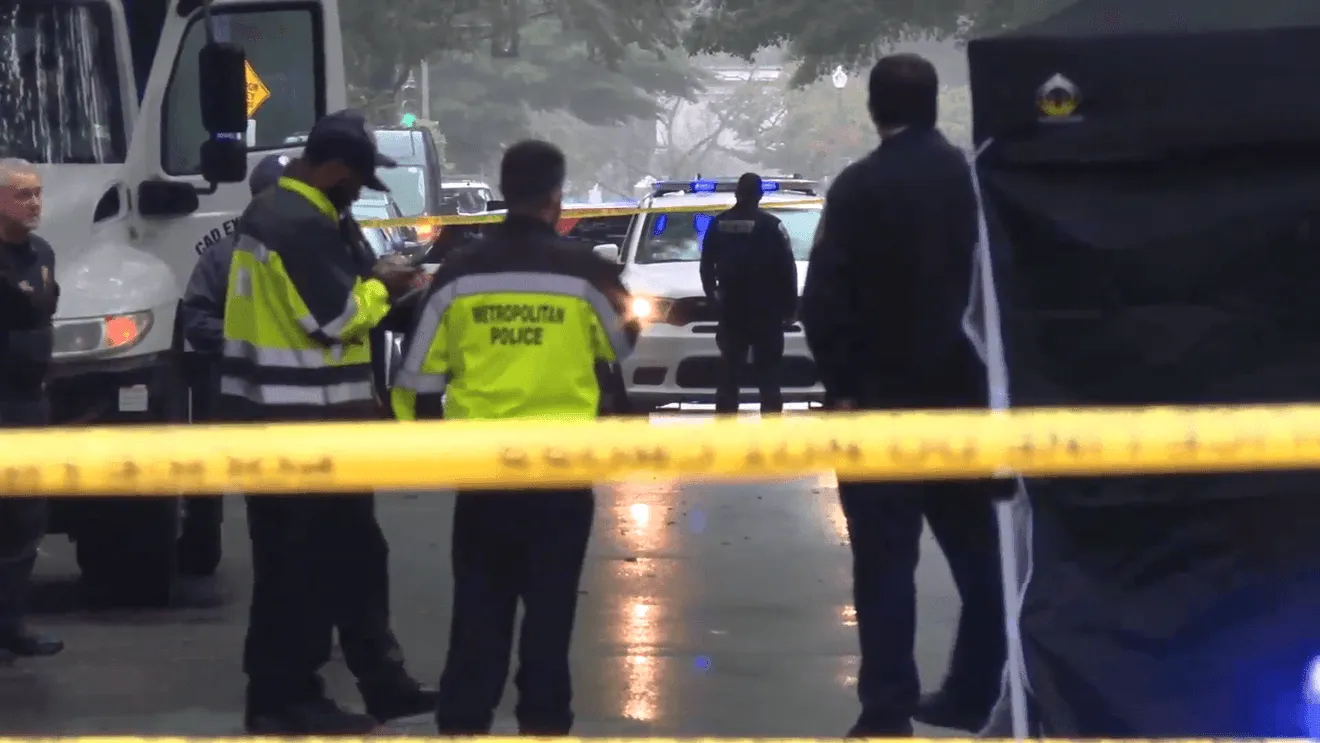
Walking to the Metro or across the street to school shouldn't feel like a risk. A driverless car never looks at a phone, never drives drunk and never nods off.
of the people killed on DC roads in 2025 were pedestrians.

Accessibility
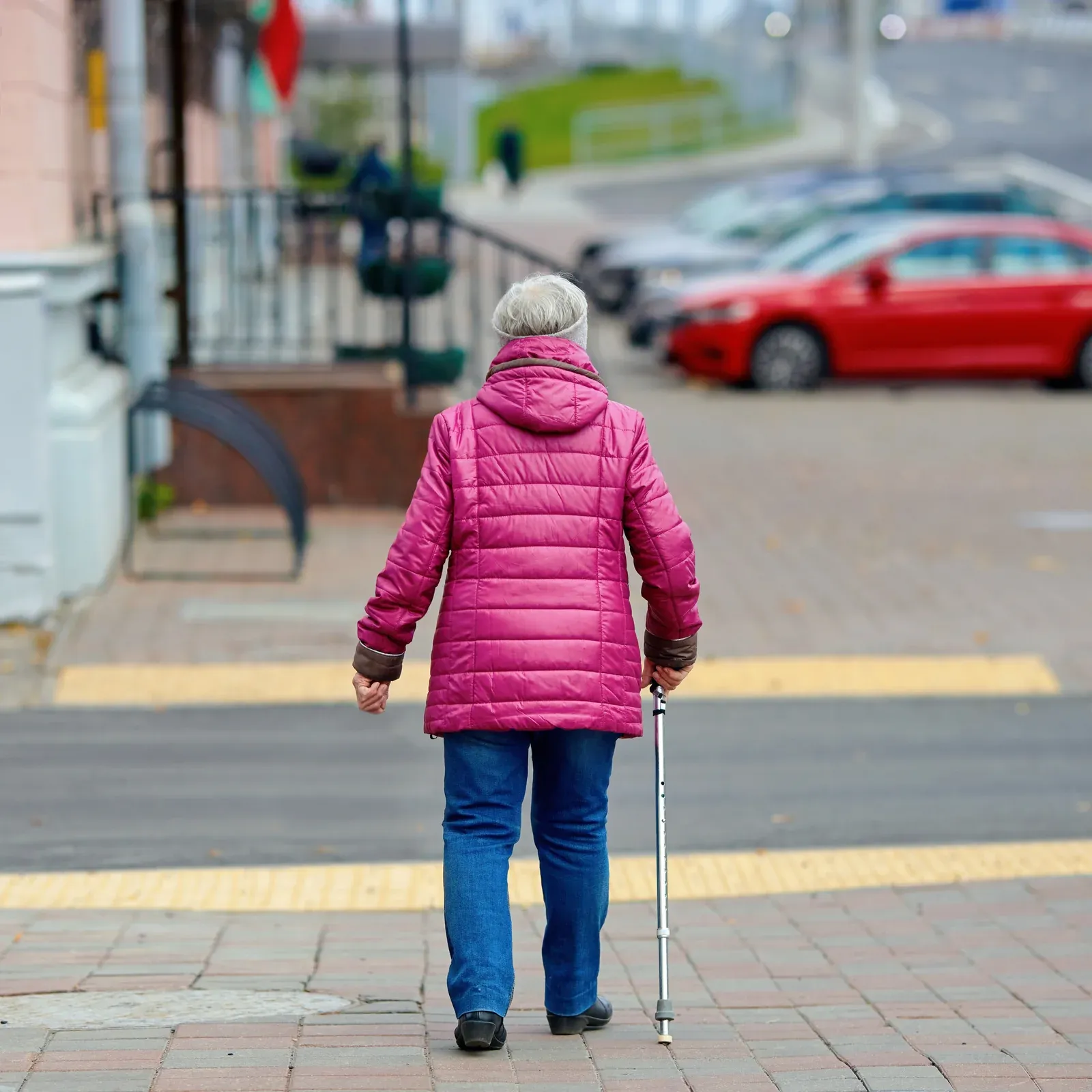
Many residents who are blind or have other disabilities can't drive, so they wait on paratransit or a ride from family. A car that drives itself could let them leave when they're ready.
of DC residents have a disability.
Getting around without a car
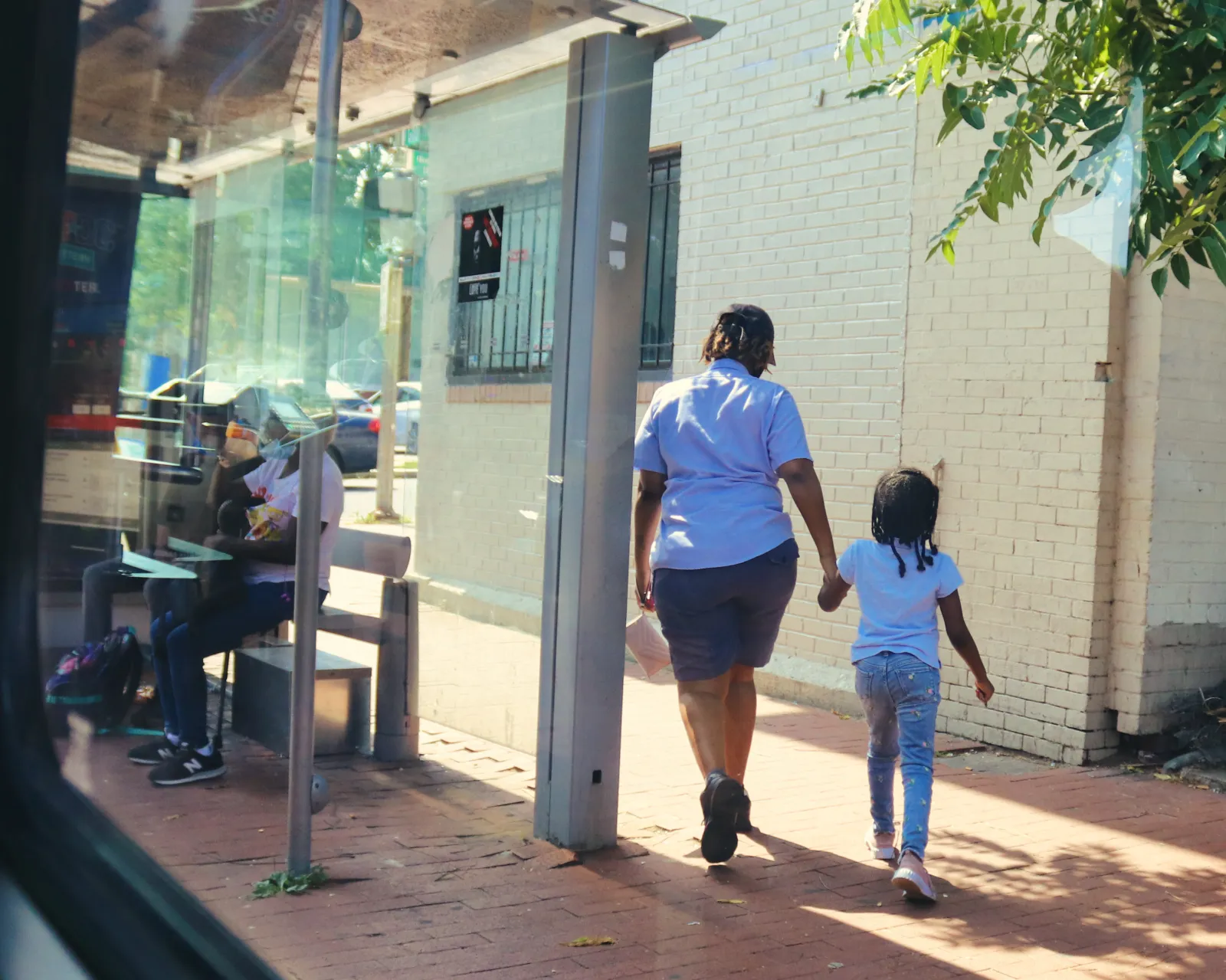
Plenty of DC neighborhoods aren't near a Metro stop, and many families don't own a car. A driverless car could pick you up at your door, day or night.
of Ward 8 households don't have a car.
Getting home late
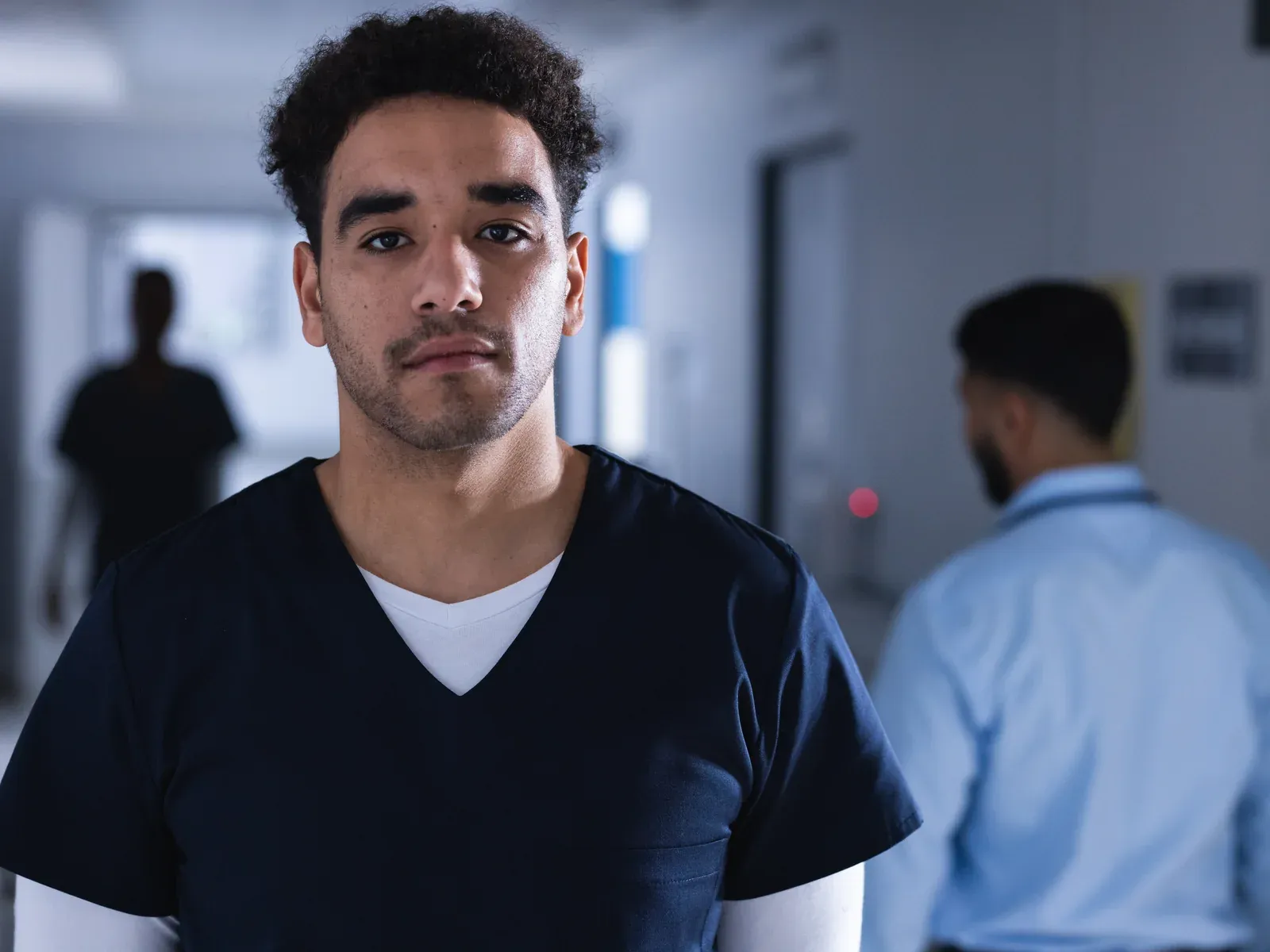
Cooks, bartenders and hospital staff often head home late, and Metrorail closes at midnight most nights. A driverless ride could get them home without a long wait at a dark bus stop.
of DC traffic deaths in 2025 happened between 9 p.m. and 5 a.m.
Every month we wait has a cost.
Take actionWhat's next
January 2027
Up next
A new Council period begins, a new mayor takes office, and a new Transportation Committee chair is named.
2027: Reintroduction, Later
A new AV bill has to be introduced and go through hearings again.
Committee and full Council votes, Later
These are the votes we need to win.

DC AVs in the News
60-year-old cyclist dies after crash with box truck near Logan Circle
Traffic deaths surge in DC, data shows
5 people hit and killed in pedestrian crashes in DC area within days
D.C. has a chance to lead on equitable transit through AVs
'Big step forward': DC councilmember lays out plan for self-driving taxis
At last, a sign of progress for robotaxis in D.C.
Could driverless car service make women feel safer calling a ride in DC?
Human drivers reject me. Now I'll finally have another option.
Sources
The Committee on Transportation and the Environment marked up B26-0684, the Autonomous Vehicle Deployment Authorization Amendment Act of 2026, on Nov. 12, 2026. The vote was 3 to 3, so the bill did not move forward. Councilmembers Allen and Henderson and Chairman Mendelson voted for it; Councilmembers Lewis George, Parker and Silverman voted against.
The Autonomous Vehicle Act of 2012 took effect April 23, 2013 and allowed AVs on DC roads with a driver ready to take control.
Current law lets companies test AVs with a test operator physically present.
14 of the 25 people killed on DC roads in 2025 (56%) were pedestrians, counted from the road user listed for each 2025 fatal crash.
12.6% of DC residents have a disability (87,510 of 691,979 civilians not living in an institution). The page rounds it to 13%.
43% of Ward 8 households have no vehicle (16,615 of 38,645).
WMATA lists Metrorail's general hours as ending at midnight Sunday through Thursday and at 2 a.m. on Friday and Saturday nights.
13 of the 25 people killed on DC roads in 2025 (52%) died in crashes between 9 p.m. and 5 a.m., counted from the crash time listed for each 2025 fatal crash.
DC has recorded 37 traffic deaths so far in 2026, up from 22 at the same point in 2025, an increase of 68%.
A bill the Council does not act on during its two-year Council Period dies and has to be introduced again when a new Council convenes. The next Council and the new Mayor take office in January 2027.